


Subtotal $0.00


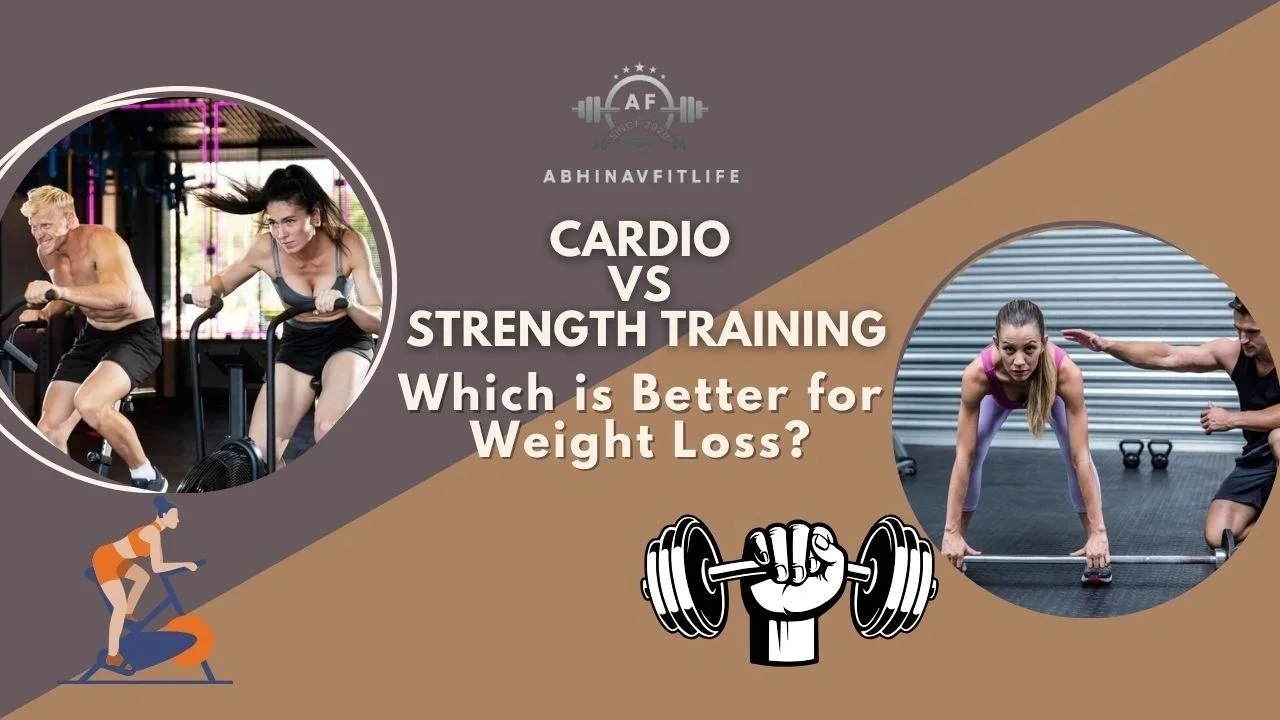
When it comes to losing weight, physical activity is indispensable. The most common discussion is whether cardio workouts or resistance training is better for weight loss. Both forms of exercise have advantages, but knowing how they differ will help you create a workout plan that aligns with your objectives.
Preliminary Considerations
Before discussing which form of exercise is more effective for weight loss, it is imperative to define both in detail.
Cardiovascular Exercise: A type of exercise commonly known as “cardio” includes all activities that raise one’s heart rate and sustain the elevation for a reasonable duration. It encompasses most sports activities like running, cycling, swimming, and brisk walking. These exercises are excellent at ensuring the cardiovascular system and endurance levels are in good condition.
Resistance Workouts: This category consists of exercises aimed at improving one’s muscle mass. Resistance training works through weights, resistance bands or even body weight. Exercises that increase strength and muscle include weightlifting, push-ups, squats and lunges.
Calories Burned: A Comparative Look
One of the first things that comes to mind about weight loss is calorie expenditure. Different forms of exercise achieve this differently; for example, any form of cardio, such as running or aerobics, is considerably more efficient at burning calories compared to weight training. This makes cardio appealing for those looking to burn off calories quickly.
However, resistance workouts have a unique advantage. Muscle requires energy even when at rest, and so an increase in muscle mass increases your resting metabolic rate (the rate at which calories are burned while resting). This aids significantly long-term with weight loss.
Impact on Muscle Mass
Yet another challenge with fat loss is retaining lean body mass. Physical ‘weight’ gain may result along with a degree of fat loss and, sadly, some muscle by default too. Retaining a toned appearance while losing weight can be easily achieved through the basics of resistance training.
Balanced resistance and cardio workouts will enable one to shed additional ‘weight’ effortlessly sans muffin-top. However, solely focusing on one or the other will not yield desirable results, leading to a flabby body thereafter. So it becomes clearer that looking good does not come easily without having to include load exercises into this regime strategy if aiming for a toned look alongside lowering the number on the scale.
Which Should You Choose?
It depends on your fitness goals, level of expertise and preferences.
For Quick Calorie Burn: If you are looking to burn as many calories as possible in the shortest time frame, then perhaps cardio exercises would suit you best. Cardio is efficient and convenient and can be performed anywhere, from gym machines to outdoor running.
For Building Muscle: If the objective is to tone your body and increase strength while adding some muscle mass, then resistance workouts are a must-add. These types of workouts not only help facilitate weight loss but also improve body composition through increased muscle mass.
For Balanced Approach: The optimal approach for weight loss is often a blend of both. Doing cardio together with resistance exercises provides a twofold advantage of burning significant calories alongside building or maintaining strong muscles. This balanced approach works phenomenally well for sustained weight maintenance over time.
The Role of Personal Training
Creating the right workout plan that caters to individual needs can be difficult. This is where Personal Training comes into play. Tailored programs will allow achieving a balance between cardio workouts and resistance sessions so that specific targets, such as weight loss, are reached efficiently within safe limits.
Having an organized and personal system for fitness allows you to take into account your current fitness level along with your preferences and lifestyle, meaning that it can help keep you motivated and consistent. Working with a professional means that you will be able to work around the nuances of exercise on a holistic workout routine which is both practical and comprehensive.
To Conclude
Both cardio workouts, as well as resistance workouts, have their benefits for exercises in a balanced fitness regimen. While calories are most effectively torched using cardio workouts, resistance workouts serve as the backbone for muscle building as well as a metabolism boost. A combination of both results in an all-encompassing strategy designed not just for weight loss but overall health, too.
FAQs
Q1: Can I lose weight with just cardio exercises?
A1: No doubt, solely focusing on cardio-based exercises will lead to weight loss due to its calorie-burning properties. Adding strength training, however, would provide much better results by retaining muscle mass while enhancing calorie burn long-term metabolism recovery rate.
Q2: How often should I do cardio for weight loss?
A2: For losing weight, performing cardio workouts 3-5 times per week for sessions between 30-60 minutes would be ideal. Your workout’s intensity level also plays a vital role in how practical these steps will be in meeting your weight loss goals.
Q3: Will I gain extra weight from strength training instead of shedding off the pounds?
A3: Only following a specialized workout regimen and diet would aid in gaining large muscles along with bulk. With its numerous benefits to help tone your body, increasing muscle mass along with improving metabolism will undoubtedly help with weight loss.
Q4: Between cardio and strength training, which one works effectively in burning belly fat?
A4: It is primarily best to combine both strength and cardio as they work well synergistic ally together in sculpting the body and reducing belly fat. Cardio helps burn calories, while strength training builds more muscle, which increases your overall calorie-burning efficiency.
Q5: Is it alright if I do my cardio workouts alongside my strength training on the same day?
A5: Combining both forms into one session is all right as long as the structure of each workout permits it. For example, start with muscle-building exercises and follow with a vigorous form of cardio as a secondary approach to quicken calories burning. This combination excellently works for attaining an ideal weight alongside fitness levels.
Q6: What are the benefits of personal training about weight loss?
A6: With a personal trainer, you can receive focused attention along with a balanced workout schedule that incorporates both cardio and strength workouts. Personal trainers help their clients utilize their time effectively by assisting with proper form and maintaining motivation throughout the journey.
